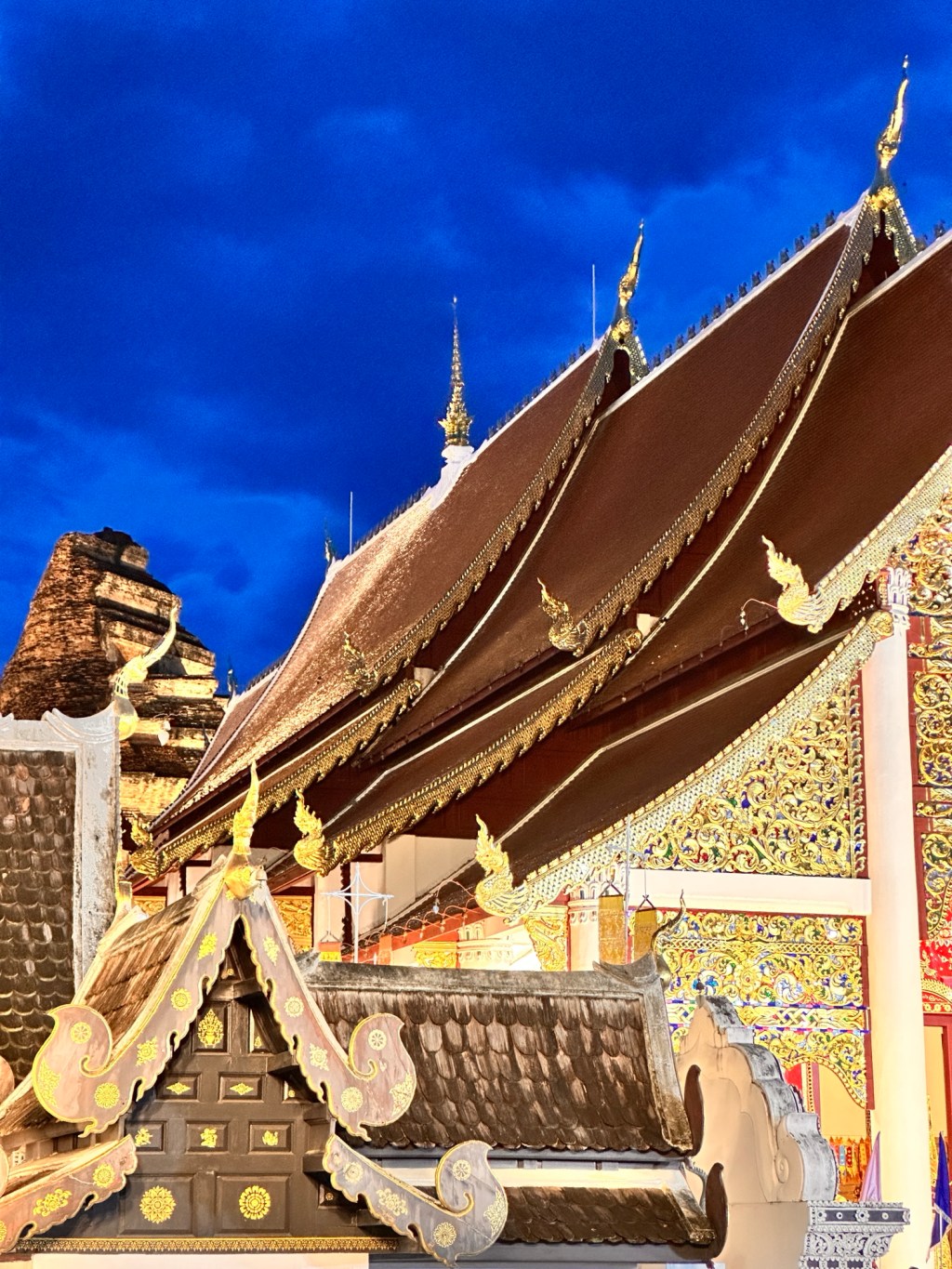
Chiang Mai is a unique city that blends a traditional landscape of historical chedis, temples, and old architecture with an unmistakably artsy flair. Its name translates to “new city,” as it was one of the first municipal cities in the country. Despite that meaning, Chiang Mai feels deeply rooted in the past.
Compared to other Thai cities, it’s quieter and less performative. It doesn’t lean heavily into tourism the way many trendy destinations do. Instead, it feels humble—never demanding your attention, simply existing as it is, without trying to impress.
The downtown area is easy to identify thanks to its geometric, square layout, enclosed by old city walls and a surrounding moat. Once inside, the pace noticeably slows.

Eats
Food in Chiang Mai reflects the same understated charm as the city itself—simple setups, deeply flavorful dishes, and little need for spectacle.
Crispy Pork (available on Grab)
This was, without question, the best food we ate during our entire two-month trip through Southeast Asia. The restaurant itself is unassuming, with clay pots used to roast the pork and a setup of three tents placed side by side.
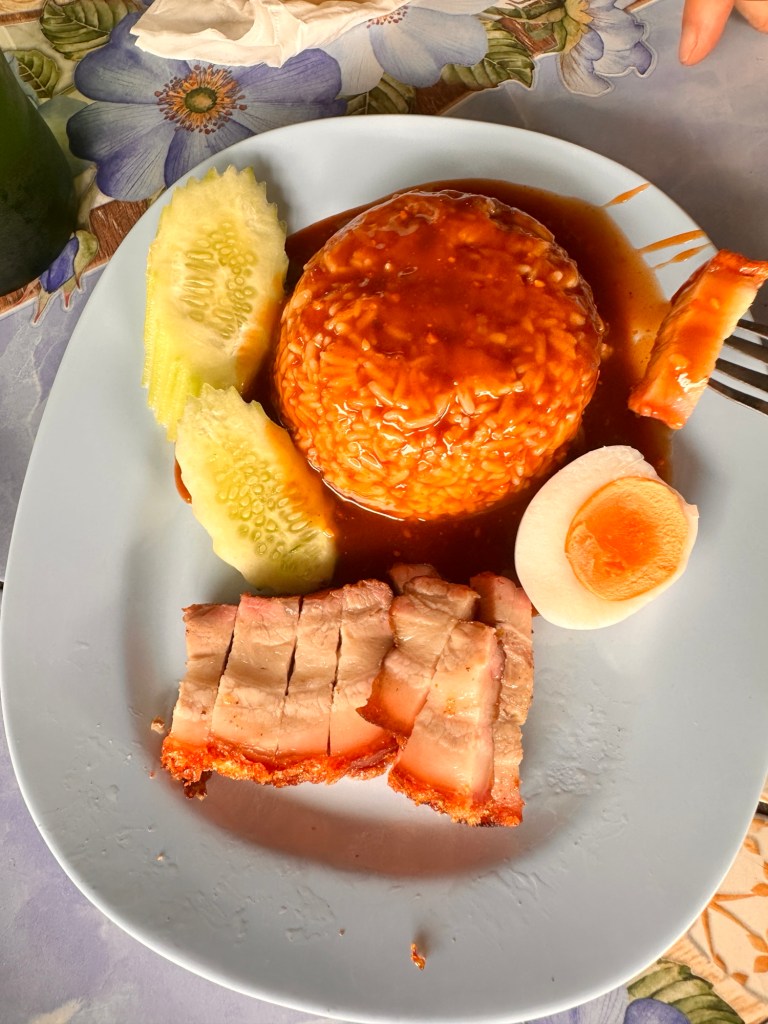
I’m not usually a big pork person, but this completely changed my mind. We went around 3:00 PM and it was still packed. Visiting during the rainy season meant intense heat and no AC, so be prepared to sweat—but it’s worth it.
The garlic crispy pork was my favorite, though the chili paste option was also excellent (and definitely spicy). The broth served alongside the pork was surprisingly memorable and worked well as a palate cleanser between bites.
Garden to Table Chiang Mai
This restaurant stood out for reasons beyond the food. It follows a true garden-to-table concept, with produce sourced directly from the owner’s garden, and it’s family-operated. The care and intention behind the place are immediately noticeable, especially in the quality of both the food and the service.
Anthony Bourdain’s “Cowboy Hat Lady”
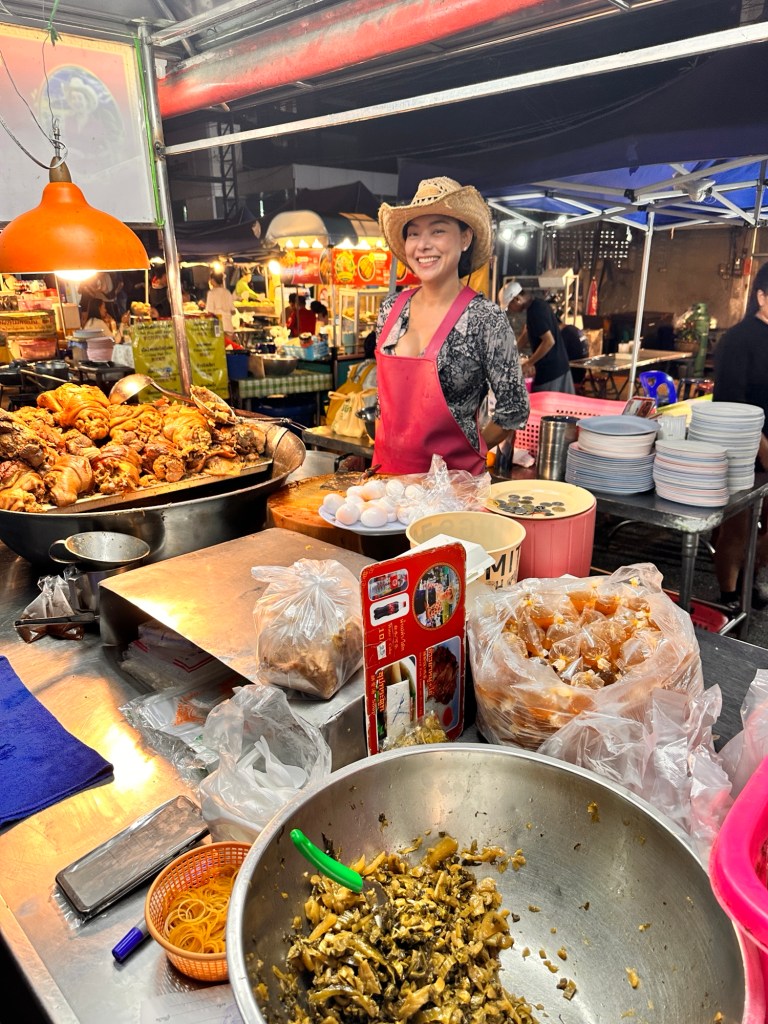
We decided to visit after watching Anthony Bourdain’s Chiang Mai episode. The owner became known as the “cowboy hat lady” after she began wearing a hat to shield her eyes from the bright overhead lights at her stall. Over time, the hat became part of her identity—but her reputation ultimately comes from her incredibly tender pork.
We ordered the classic pork with rice and egg. It’s simple, but packed with flavor. If you can handle spice and choose to sit at the tables behind the stall, the chili paste and pickled condiments are worth using to elevate the dish.
Once seated, you’ll likely notice the massive cooking pot—nearly half her size. She actually has to stand on a stool just to reach into it. If you’re a fan of Bourdain’s work, watching the episode beforehand adds an extra layer of appreciation. And somehow, years later, she still looks just as striking as she did on screen.
While this wasn’t my number-one meal in Chiang Mai, it absolutely earns recognition for both its flavor and its cultural nostalgia.
Stay
Rak Chiang Mai Guesthouse
Rak Chiang Mai Guesthouse fit perfectly with the atmosphere of the city. The highlights were the warm, friendly staff, beautiful traditional architecture, and an unbeatable location. Upon arrival, we were given helpful recommendations for nearby markets and places to explore.
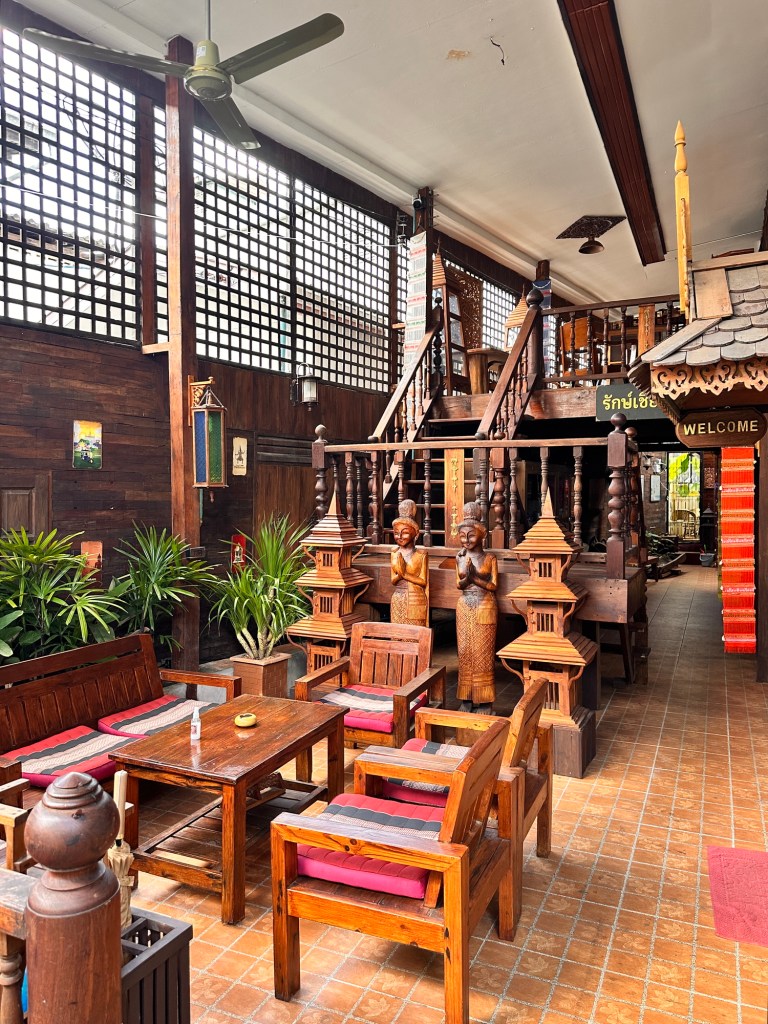
What ultimately sold us was the location. Situated within the old city walls, many of Chiang Mai’s most iconic temples and chedis were just a short walk away. The building itself is old, but in the best way. One-hundred-year-old teakwood runs throughout the traditional Lanna-style structure, and much of the furniture is antique. It was also the first building constructed on the street.
The bathrooms are a bit dated and the walls are thin, but if you’re traveling on a budget and want to stay within the historic city center, this guesthouse is a great choice.
Things to Do in Chiang Mai
Exploring Chiang Mai is best done slowly, on foot, and without a strict plan.
Chedis and Temples
Temples and chedis appear around nearly every corner, making the city feel endlessly discoverable. One evening, I set out for what I thought would be a five-minute walk to a nearby temple. That short stroll turned into a two-hour wander.
Each stop revealed another glowing temple just out of sight. At one point, I followed the sound of chanting down a quiet street and came across a group prayer at a monk school. With no one else around, I was able to sit and fully absorb this small, raw moment of practicing Buddhism.
I continued stumbling upon beautiful, nearly empty temples before eventually reaching the center of the city—unknowingly saving the most impressive site for last. Evening walks in Chiang Mai have a way of rewarding you if you let the city guide you.
Wat Chedi Luang
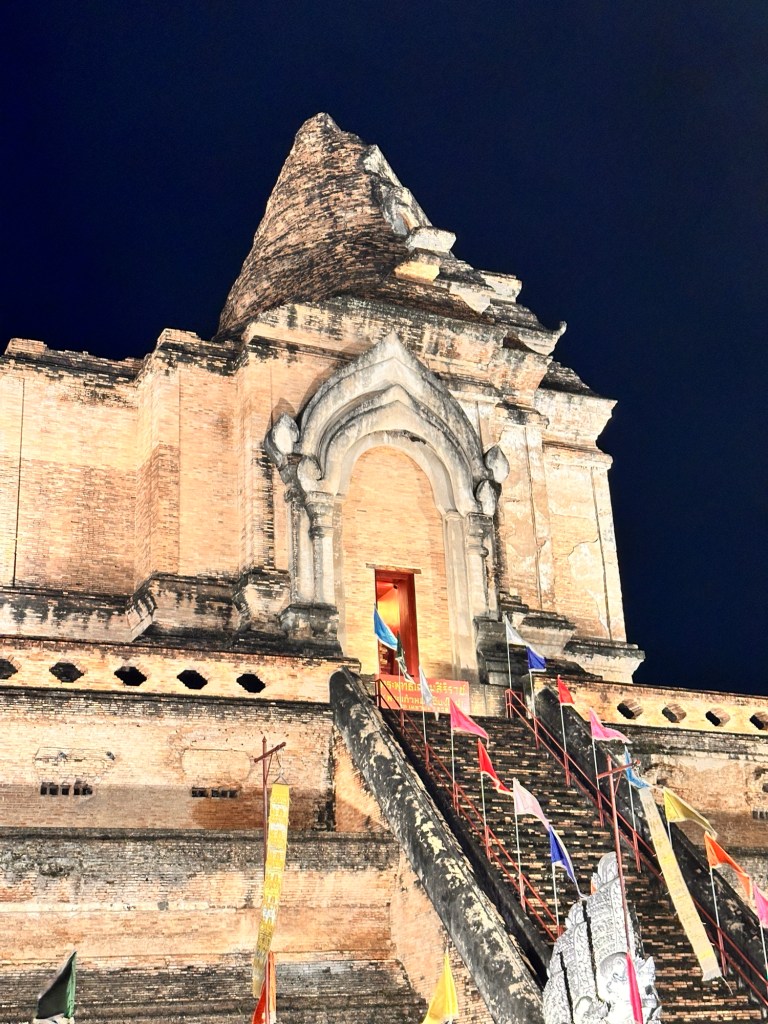
Wat Chedi Luang sits directly in the heart of the old city and is one of Chiang Mai’s most striking landmarks. Visiting at night is especially worthwhile, as the illumination gives the entire complex a quieter, more reverent feel.
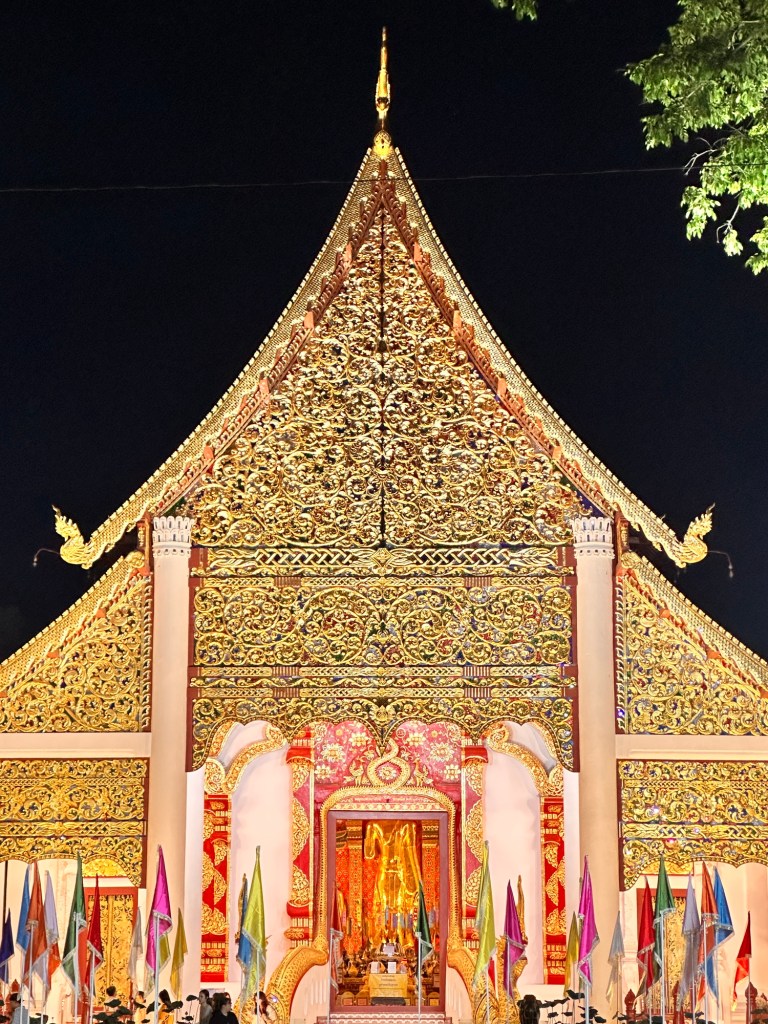
When you enter the grounds, the City Pillar Shrine (San Lak Mueang) immediately draws your attention. Its gold facade glows beneath colorful flags that symbolize Thai spirituality. The amount of detail throughout the site is overwhelming in the best way, and it’s worth spending time here without rushing.
Visitors should dress respectfully, with shoulders and knees covered. Sarongs are available to rent at the entrance if needed. Entry costs around 50 Thai baht, with an additional cash-only fee for sarong rental that includes a refundable deposit. Some areas are restricted to women, with signage stating that entry may cause “social instability” in this sacred space.
Markets
Markets in Chiang Mai feel less commercial and more community-driven, especially when compared to those in larger cities. Note that almost all of the markets are cash-only, so be prepared!
Sunday Night Market
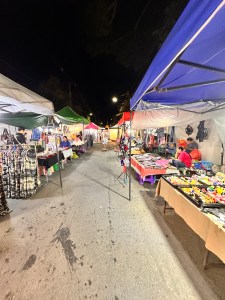
This market stretches from one city wall to the other and is packed with handmade crafts, clothing, and street food.
Handmade Market
One of our favorite experiences came from a recommendation by our guesthouse receptionist—a lesser-known market where only handmade items are sold, and vendors must meet specific criteria to participate. We never would have found it on our own, and it ended up being a highlight of our stay.
Nightlife
North Gate Jazz Bar
This tiny two-story bar hosts incredibly talented jazz musicians and has become a popular gathering spot for travelers, especially solo ones. It fills up quickly, so arriving well before showtime is key if you want a seat.
6ixcret Show: A Must-See Drag Night in Chiang Mai
The 6ixcret Show is one of Chiang Mai’s most entertaining and unexpectedly memorable nightlife experiences. There’s no entry fee, but guests are required to purchase at least two drinks from the menu—a small price for such a high-energy, polished performance. Because the venue is intimate, seating fills up quickly, and arriving early makes a huge difference in your overall experience. Every drag queen delivered an incredible show, and we were thoroughly impressed by the level of creativity throughout the night.
Chiang Rai Excursion
Just a few hours’ drive from Chiang Mai, Chiang Rai offers a completely different side of northern Thailand. We booked our day trip through GetYourGuide for $32, and it was packed with unique cultural experiences and stunning sights. From the surreal White Temple to the serene Blue Temple and the fascinating Long-Neck Mae Kachan village, this excursion is the perfect way to explore the region’s history, art, and local traditions all in one unforgettable day.
Long-Neck Mae Kachan Village
This was one of the most fascinating stops on the tour. The women of the Mae Kachan tribe are known for wearing heavy brass rings around their necks: the older you are, the more rings you wear. These rings are typically worn for life and removed only in medical emergencies.
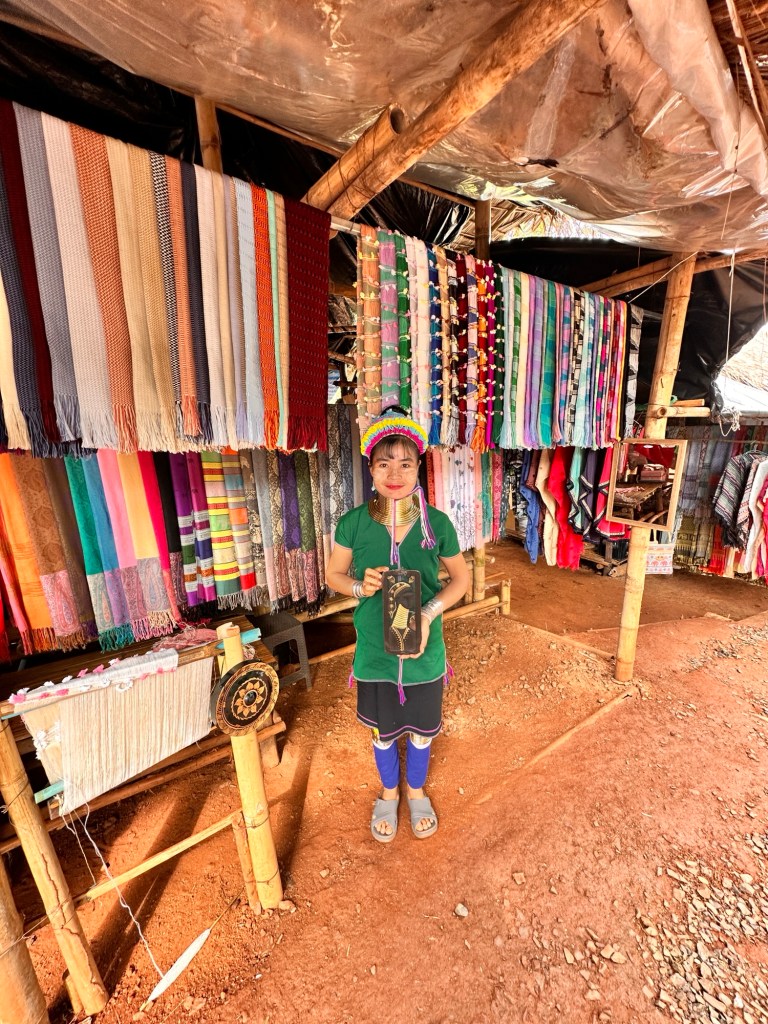
Our guide shared a story of a pregnant villager who had to have her rings removed during labor due to breathing complications. X-rays have shown that the appearance of elongated necks comes not from stretching, but from compressed collarbones that create the illusion.
Visiting the village offered insight into their culture, and purchasing handmade items directly supports the women and children. Many Mae Kachan villagers have been displaced by war in Burma, making this support especially meaningful.
White Temple
The White Temple is a relatively new structure that feels more like an art installation than a traditional religious site. While visually stunning, the interior artwork felt unsettling and, at times, borderline offensive. Photography is encouraged outside, but prohibited inside to “maintain focus on the artist’s message.”
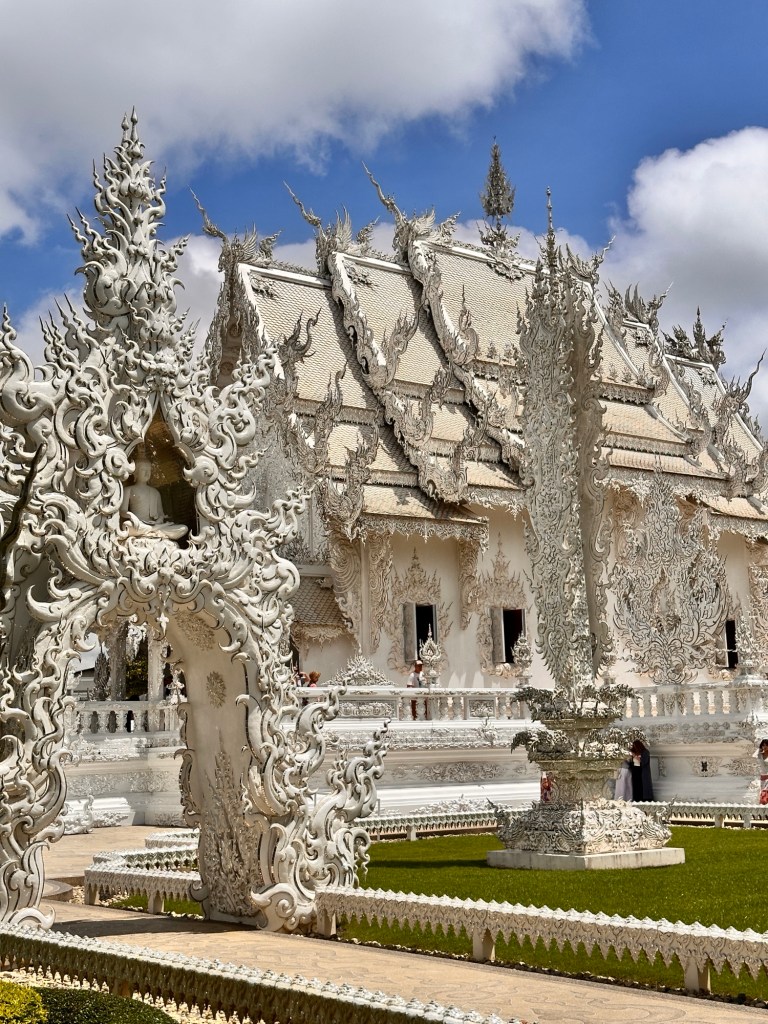
That message aims to depict societal decay using pop culture references like Michael Jackson, Spiderman, and Kung Fu Panda. Some imagery—such as references to 9/11—felt particularly distasteful. Combined with the highly curated photo-op areas, the experience felt more performative than spiritual.
Blue Temple
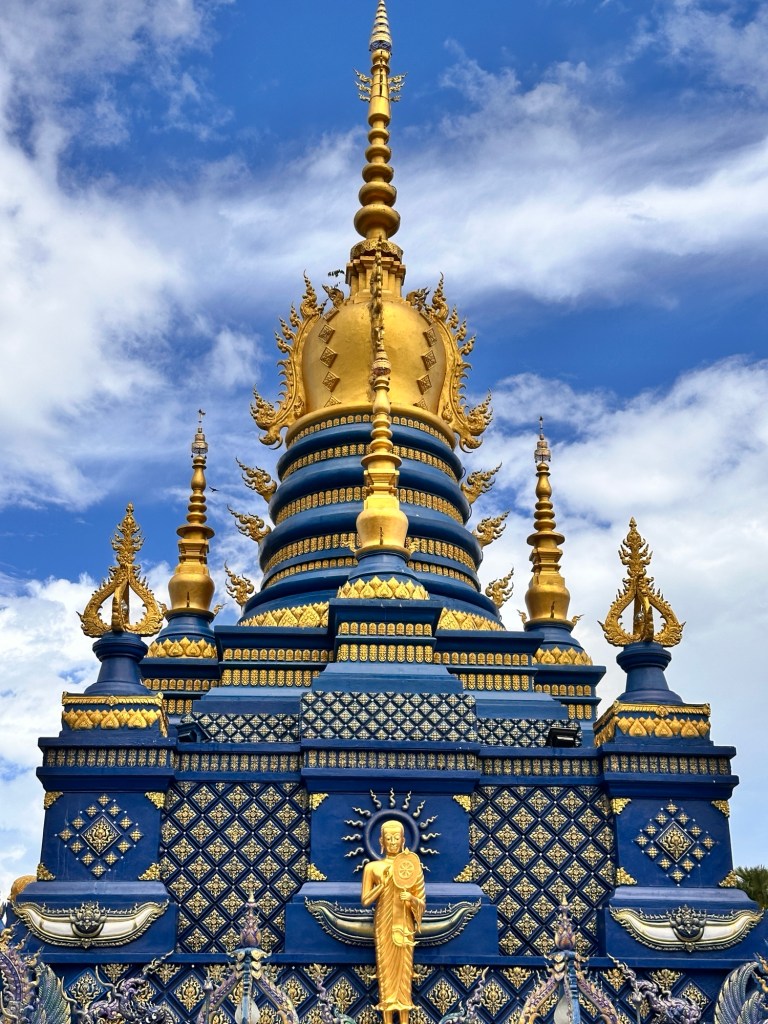
The Blue Temple shares some stylistic similarities with the White Temple but felt far more authentic. I found it more beautiful, less crowded, and overall more enjoyable.
Hot Springs
Personally, I could have skipped this stop. You mainly soak your feet in extremely hot water for a few minutes before moving on. It was brief and uneventful.
Huay Plakang Temple
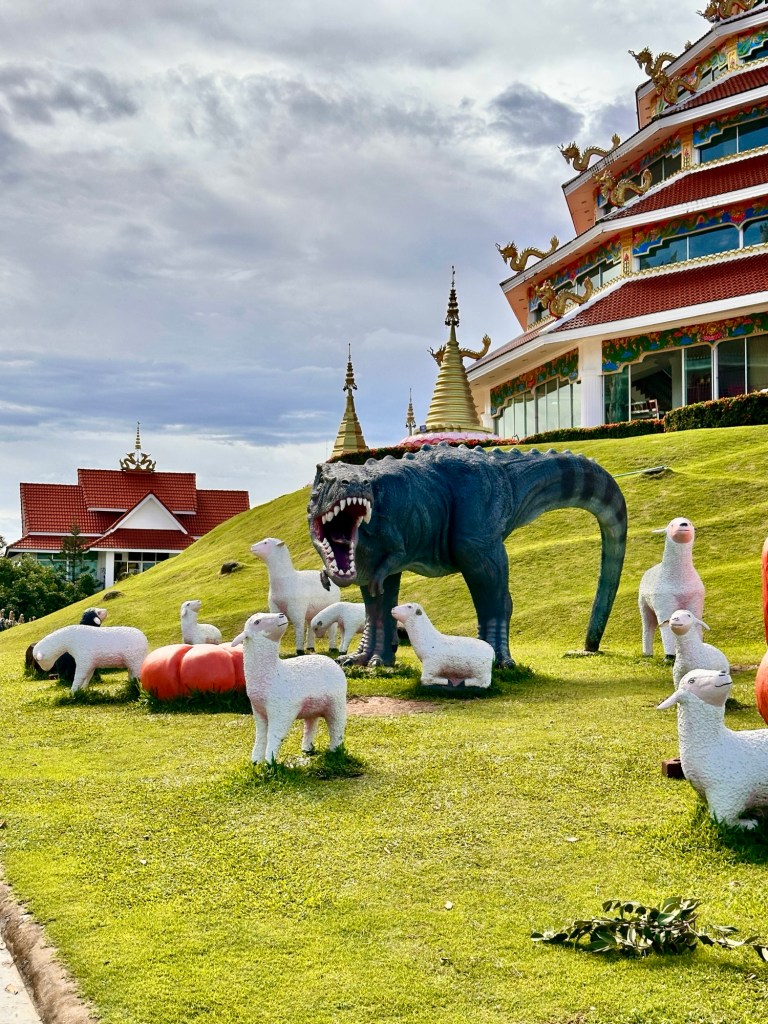
Although the views from this temple are impressive and some elements are interesting, certain features—like a life-size dinosaur attacking a herd of sheep on the lawn—felt out of place for me.
Chiang Mai leaves a lasting impression without ever trying to. From quiet temple-lined streets and unforgettable meals to small, unexpected experiences that catch you off guard, the city invites you to slow down and simply be present. Its blend of tradition, creativity, and calm feels genuine, making Chiang Mai a place that quietly stays with you long after you’ve gone.
Just Outside Chiang Mai: An Unforgettable Ethical Elephant Experience
If you’re looking to extend your time beyond the city, be sure to check out my separate post on an ethical elephant sanctuary hotel located about an hour outside of Chiang Mai—it was one of the most meaningful experiences of our entire trip.
More to Explore Here:
- Discover the Charm of Chiang Mai: A Travel Guide
- Chai Lai Orchid Eco Lodge: An Ethical Elephant Sanctuary Near Chiang Mai
- 10 Ways to Be a Better Tourist in Japan
- Nagoya: Japan’s “Most Boring City” Might Just Be One of Its Best-Kept Secrets
- Surfing in Morocco: A Week in Taghazout at Hashpoint Surf Camp


 Resfeber
Leave a comment